By Lucas Hayes
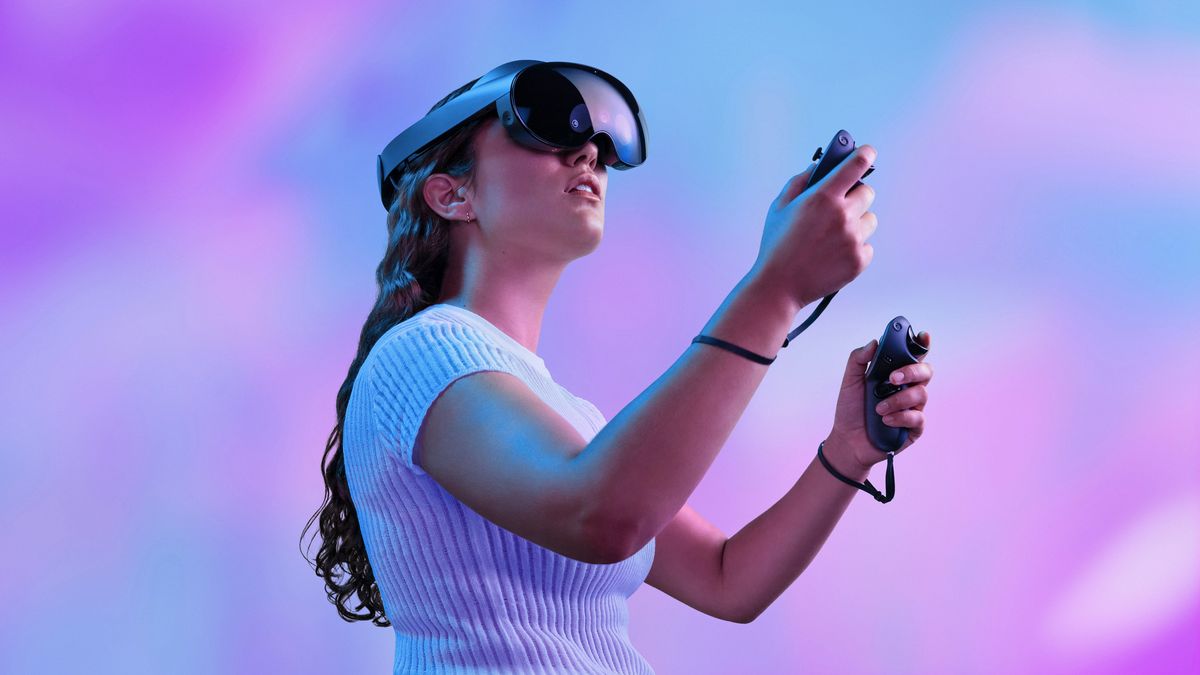
Meta is pushing the boundaries of virtual reality with a series of groundbreaking headset prototypes revealed at a recent tech showcase. These experimental designs, ranging from ultra-lightweight models to high-resolution displays, offer a glimpse into the future of VR. While still in the research phase, these prototypes demonstrate Meta’s ambition to redefine immersive experiences for gaming, work, and social interaction. Here’s a deep dive into these innovative concepts and what they could mean for the next generation of VR.
Exploring Meta’s VR Prototypes
Meta’s latest prototypes showcase a variety of approaches to solving key VR challenges, such as weight, visual fidelity, and user comfort. While none are ready for consumer release, each offers unique advancements that could shape future headsets.
Butterscotch: Ultra-High Resolution
The Butterscotch prototype focuses on delivering near-retinal resolution, aiming to match human eye clarity. With a pixel density far surpassing current consumer headsets like the Meta Quest 3, it offers crisp visuals that make text and fine details in virtual environments strikingly clear. However, the trade-off is a narrower field of view, which Meta is working to expand in future iterations. This prototype hints at a future where VR displays rival real-world clarity, ideal for applications like virtual workspaces or detailed simulations.
Starburst: Enhanced Dynamic Range
Starburst tackles visual immersion with high-dynamic-range (HDR) displays, producing vibrant colors and deep contrasts. This prototype creates lifelike lighting effects, making virtual scenes—from sunlit landscapes to dimly lit rooms—feel more realistic. The catch is its bulky design, requiring external power and cooling systems, but Meta sees it as a proof of concept for future compact HDR headsets that could elevate gaming and cinematic experiences.
Holocake 2: Lightweight and Compact
The Holocake 2 prototype prioritizes portability, using holographic optics to reduce size and weight. At just a fraction of the heft of traditional VR headsets, it feels closer to a pair of glasses than a bulky device. The trade-off is complex lens technology that’s still costly to produce, but it points to a future where VR headsets are as comfortable as sunglasses, perfect for extended use in social or professional settings.
Mirror Lake: All-in-One Innovation
Mirror Lake combines elements of the other prototypes, integrating high-resolution displays, compact optics, and advanced eye-tracking. This ambitious design aims to deliver a seamless, all-in-one VR experience with features like dynamic focus adjustment and improved hand tracking. While still a concept, Mirror Lake showcases Meta’s vision for a versatile headset that could power everything from gaming to virtual meetings.
Implications for the Future of VR
These prototypes highlight Meta’s commitment to addressing VR’s biggest hurdles: bulky designs, limited visual quality, and user fatigue. By experimenting with high-resolution displays, lightweight optics, and immersive visuals, Meta is laying the groundwork for headsets that feel less like gadgets and more like natural extensions of reality. This could expand VR’s appeal beyond gaming to fields like education, remote work, and social platforms like Horizon Worlds.
However, challenges remain. The prototypes’ advanced technologies are currently expensive and complex, requiring years of refinement before they hit the market. Meta also faces competition from companies like Apple, whose Vision Pro has set a high bar for mixed reality. Still, these early designs suggest that VR could become more accessible, comfortable, and visually stunning, potentially attracting a broader audience.
What’s Next for Meta’s VR Vision
Meta’s prototypes are not yet consumer products, but they signal a clear direction for the company’s VR roadmap. The innovations in Butterscotch, Starburst, Holocake 2, and Mirror Lake could eventually trickle down to future Quest models, making VR more immersive and practical. Meta is also investing in software, with updates to its Horizon OS and AI-driven features to enhance user interaction.
The timeline for these technologies to reach consumers remains unclear, but Meta’s ongoing research suggests a release within the next 3–5 years. For now, the Quest 3 remains Meta’s flagship VR headset, offering a solid balance of performance and affordability. As these prototypes evolve, they could redefine how we engage with virtual worlds.
Final Thoughts
Meta’s bold VR headset prototypes—Butterscotch, Starburst, Holocake 2, and Mirror Lake—offer an exciting preview of what’s to come in virtual reality. By tackling resolution, weight, and immersion, these concepts promise a future where VR is more lifelike and accessible than ever. While they’re not yet ready for prime time, they underscore Meta’s ambition to lead the VR industry. Ready to dive into VR today? Explore the Meta Quest 3 or stay tuned for more updates on our site for the latest in immersive tech!